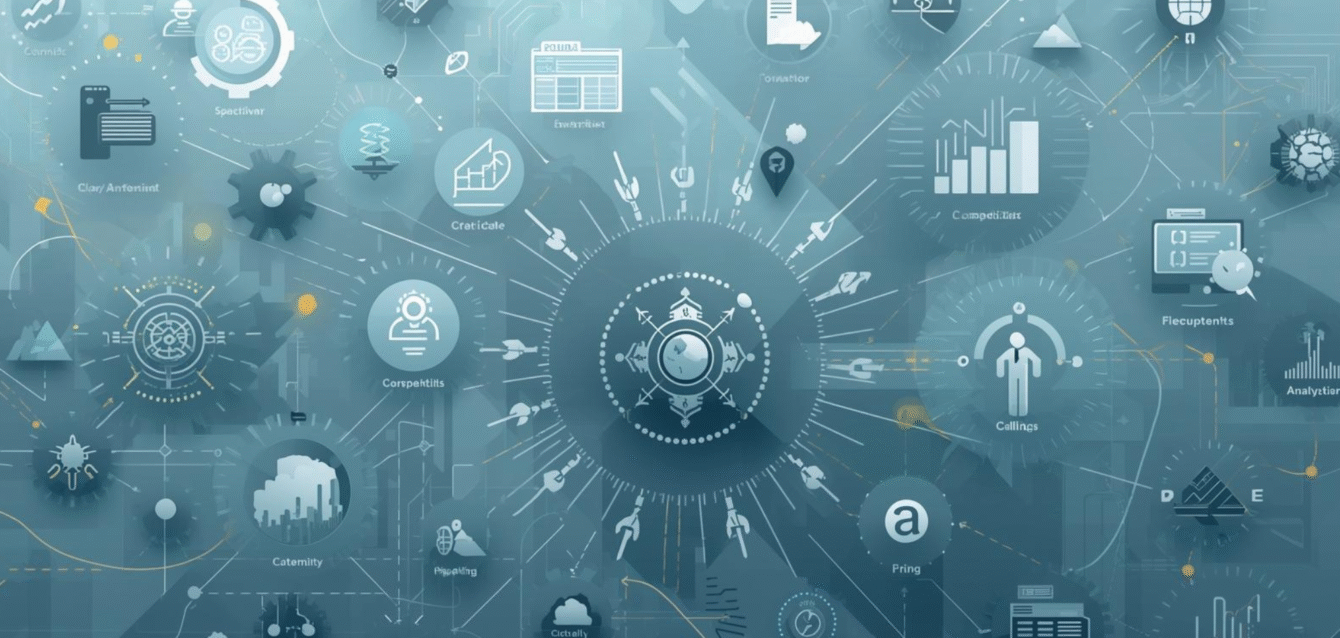
In the modern sales landscape, volume alone is no longer a winning strategy. Sales teams today have access to more data than ever—customer interactions, digital touch‑points, pipeline stages, win/loss histories, competitor activity, pricing trends—but without the right analytics, that data can become noise, not insight. Data analytics is rewriting how sales organisations operate: it shifts them from reacting after the fact to anticipating actions ahead of time, aligning resources intelligently, and focusing efforts where they’ll matter most. When analytics become embedded in the sales rhythm, decision‑making becomes faster, more accurate and more aligned with business outcomes rather than gut feelings.
Put simply: analytics is turning sales from art into science—and the teams that grasp this change gain speed, clarity and competitive advantage.
From Raw Data to Insightful Sales Behaviour
Most sales operations generate large volumes of data: activities logged in CRMs, emails, call recordings, proposals sent, opportunities created, deals won and lost, customer demographics, product usage and more. However, this data often sits in silos, is entered inconsistently, or is analysed only monthly during sales review meetings. Data analytics transforms this raw material into insight by integrating across systems, cleaning and standardising data, and then applying diagnostic, predictive and prescriptive techniques. For example, analytics can reveal why certain deals stalled (diagnostic), forecast which opportunities are likely to close (predictive) and suggest next best actions (prescriptive).
The impact of turning data into insight is significant. Instead of waiting for the quarter‑end to review pipeline health, sales leaders can monitor live dashboards, spot when pipeline velocity slows, identify which reps need coaching, and adjust outreach tactics before issues escalate. In other words, analytics moves sales from retrospective analysis to real‑time performance management.
Sharpening Forecasting and Pipeline Accuracy
One of the biggest pain points for sales organisations is inaccurate forecasting and unpredictable pipelines. Thanks to analytics, especially when enhanced with AI and machine learning, organisations are improving forecast precision, enabling teams to allocate resources more effectively, set realistic targets and reduce surprise shortfalls. For example, advanced analytics can evaluate deal age, contact focus, stage duration and historical conversion rates to predict which deals are most likely to close.
By improving forecast accuracy, sales operations become more reliable. Instead of over‑relying on intuition, leaders base planning on data‑driven models. This means fewer emergency reallocations, less stress around month‑end surprises and more confidence across the organisation. Analytics doesn’t guarantee every deal will close—but it improves the odds that plans match reality.
Prioritising Leads, Accounts and Activities with Precision
In high‑volume sales environments, not all leads, accounts or activities drive equal value. Data analytics helps identify which prospects are most likely to convert, which accounts offer higher lifetime value and which activities yield better outcomes. Lead‑scoring models combine firmographic, interaction, behavioural and historical data to rank leads and guide rep attention. Analytics also highlight which sales motions work best for different segments—allowing teams to tailor outreach, customise value propositions and optimise resource allocation.
This prioritisation means reps stop treating all leads equally and start doing smarter work. Instead of blanket outreach, they focus on the right accounts, execute the right sequence of actions and spend time where impact is highest. Over time this shift improves win rates, shortens cycles and optimises cost‑of‑sale.
Aligning Sales and Marketing Through Shared Analytics
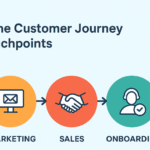
Sales and marketing historically operate in separate lanes—marketing generates leads, sales works them, and reporting often happens in silos. Analytics bridges this gap by providing shared metrics, unified dashboards and cross‑team visibility into performance, attribution and pipeline health. With the right analytics platform, marketing can see how their leads perform through the full funnel, while sales can understand source quality, stage conversion rates and campaign impact.
This alignment leads to smoother hand‑offs, higher lead‑quality, fewer dropped opportunities and better feedback loops. When both teams work from the same data, trust increases, resources are used more efficiently and the entire revenue engine becomes more integrated and responsive.
Measuring What Matters and Driving Behaviour With Metrics
Data analytics introduces the discipline of measuring what matters—not just total revenue or number of meetings, but more nuanced metrics like conversion by stage, pipeline velocity, average deal size growth, slipped deals, activity-to‑opportunity ratios and forecast accuracy. These metrics turn behaviour into measurable performance and create visibility for coaching, recognition and improvement. For example, organisations that adopt analytics can drill down into which reps consistently convert high‑value opportunities, which deal types slip most often and what activities correlate with success.
When metrics are aligned with desired outcomes, they influence behaviour. Reps start tracking their own pipelines, managers coach based on real data, and leadership invests where evidence shows results. The entire sales organisation becomes more transparent, accountable and effective.
Embedding Analytics Into Daily Workflows for Scalability
The real power of analytics happens when it becomes part of the sales rhythm—not a quarterly review exercise. Analytics platforms feed into daily workflows: dashboards accessible on mobile, alerts when an opportunity becomes at risk, automated suggestions for next steps, and integration with CRM tools that rep use every day. With this embedded approach, data‑driven insights no longer live in PowerPoint slides but in the CRM corner of every rep’s screen.
When analytics are embedded, scaling the sales function becomes easier. Onboarding new reps is faster because the system guides them to high‑priority actions. Management becomes proactive, not reactive. Strategy isn’t just set by leadership—it is executed consistently across teams because analytics bridges intention and action.
Overcoming Common Analytics Challenges and Realising ROI
Transitioning to data‑driven sales doesn’t happen overnight. Many organisations face hurdles: poor data quality, siloed systems, lack of analytics maturity, change resistance and unclear ownership of metrics. Overcoming these requires governance, defined metrics, training, clean data pipelines and executive sponsorship. Analytics leaders caution that without data readiness and culture change, tools will become dashboards no one uses.
But when implemented effectively, analytics delivers tangible ROI: higher win rates, better forecasting, shorter cycle times and more efficient resource allocation. The organisations that embed analytics within their sales fabric consistently outperform peers. As one analysis showed, companies using advanced sales analytics generated significantly higher revenue growth than those that do not.
The key is treating analytics as a continuous capability, not a one‑time project.
The Takeaway
Data analytics is no longer a nice‑to‑have in sales—it’s foundational. When organisations move beyond spreadsheets and dashboards to actionable insights, they unlock sharper priorities, better forecasting, tighter alignment and smarter execution. For sales teams looking to not just hit targets but systematically exceed them, analytics is the game changer.