Subscribe for latest updates & insights
Stay informed with the latest news, industry trends, and technology insights delivered straight to your inbox.
Contacts
First Floor, 9-39-3/1, Pithapuram Colony, Maddilapalem, Visakhapatnam, Andhra Pradesh 530003.


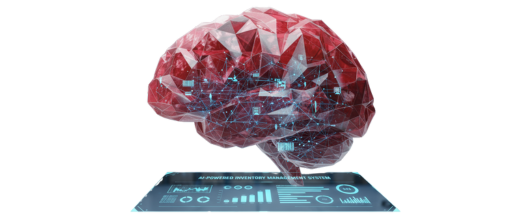
The AI-Powered Inventory Management System automates stock tracking, monitors consumption patterns, predicts reorder levels, and provides real-time inventory visibility. With intelligent decision assistance, it enables businesses to eliminate manual errors, prevent overstocking or shortages, and maintain seamless supply chain continuity.
Our solution supports both structured and dynamic inventory environments, adapting to unique warehouse configurations, departmental usage patterns, and procurement cycles with precision and scalability.
Artificial Intelligence plays a vital role in predicting future inventory needs by analyzing historical sales data, seasonal trends, and real-time market signals. Through machine learning models, the system identifies purchasing patterns, reduces uncertainties, and forecasts upcoming stock demands with greater accuracy.
There are generally two types of forecasting intelligence: short-term predictive AI, which helps manage immediate supply needs and prevent stockouts, and long-term strategic AI, which supports procurement planning and budget allocation. Together, they ensure that businesses maintain optimal stock levels while reducing carrying costs and avoiding wastage.
AI-powered automated reordering works by continuously monitoring inventory levels and identifying when stock reaches a predefined threshold. Instead of relying on manual tracking, the system automatically triggers purchase orders, ensuring critical items are always replenished on time. This reduces human effort and the risk of operational interruptions.
There are generally two operational modes of automated reordering: rule-based AI, which follows specified inventory thresholds, and adaptive AI, which adjusts reorder levels dynamically based on usage trends and demand fluctuations. This intelligent automation helps maintain consistency, accuracy, and efficiency across inventory cycles.
Artificial Intelligence enables real-time visibility into stock movement across warehouses, retail shelves, and distribution channels. By integrating with barcode systems, IoT scanners, and ERP software, the system provides continuous monitoring and instant updates on inventory status and location.
There are generally two styles of alert intelligence: event-based alerts, which notify users when specific inventory actions occur (like low stock or delayed shipment), and predictive alerts, which proactively warn about potential shortages or excess accumulation. This ensures timely decision-making and reduces risks associated with stock discrepancies or supply chain delays.
Achieved a 95% customer satisfaction rate across all AI solutions.
Delivered over $10 million in cost savings for clients through optimized AI solutions.
Working withNeuro has been a game-changer for our business. Their AI solutions have revolutionized our operations, enabling us to automate repetitive tasks and make data-driven decisions with ease. We couldn't be happier with the results."
AI analyzes sales trends and supply patterns to predict demand, reduce overstocking, and prevent shortages automatically.
Yes, our platform supports seamless integration with leading ERP and POS systems for unified data management.
Traditional methods rely on static data, while AI dynamically adapts to new trends and market shifts for higher accuracy.
Absolutely. You can track stock movement, warehouse levels, and supplier performance in real-time through the dashboard.
Stay informed with the latest news, industry trends, and technology insights delivered straight to your inbox.