In today’s marketplace, the customer journey is rarely linear—it winds through marketing touchpoints, sales conversations, onboarding workflows, post‑sale support and renewal loops. When those stages live in silos—marketing using one tool, sales another, service a third—the result is fragmented experience, missed insights and lost revenue. Integrated sales platforms unify the entire journey, ensuring that from first contact to long‑term relationship every touchpoint is visible, coordinated and optimised. By bringing together data, workflow and automation, these platforms don’t just streamline operations—they create connected experiences that delight customers and drive growth.
When every team shares the same view of the customer, and every stage flows into the next without friction, the journey becomes a source of competitive advantage rather than a risk.
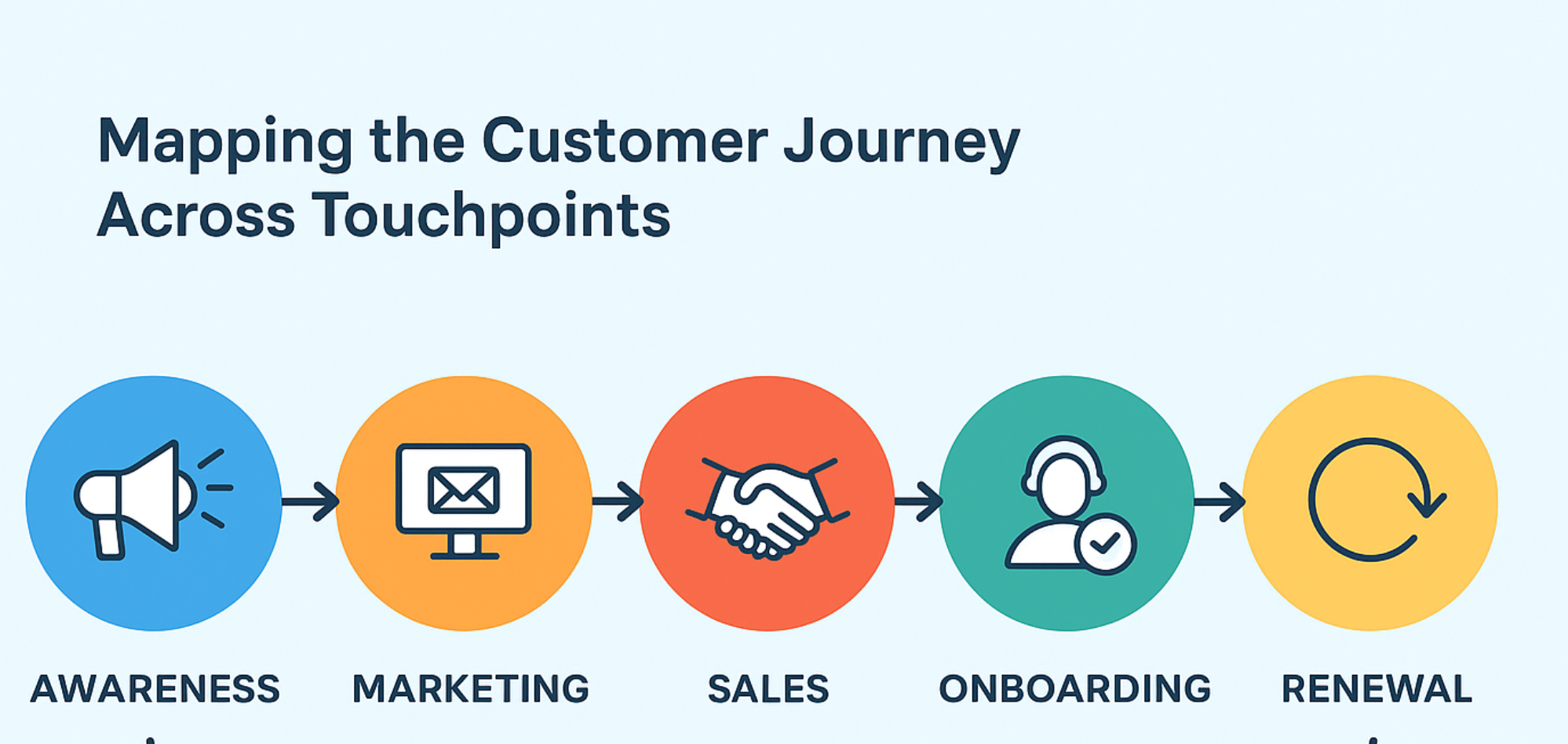
Mapping the Customer Journey Across Touchpoints
Understanding how customers interact with your brand—from awareness to purchase, use and renewal—is foundational to streamlining the journey. Integrated sales platforms consolidate data from marketing, sales, service and support into one central system, enabling teams to see the full path of each customer: how they found you, how they engage, where they drop off and where value is created. According to guide literature on journey mapping, this helps identify unmet user needs, complex multi‑channel pathways and emotional responses, enabling smarter interventions.
With this holistic map in hand, organisations move from reacting to touchpoints to orchestrating them. For example: when a lead submits a form, the system routes it to the correct salesperson, logs the interaction, triggers nurture sequences, and updates dashboards used by service teams. What begins as a map becomes live workflow—ensuring no hand‑off is blind, no customer segment invisible and no stage disconnected.
Breaking Down Silos Between Sales, Marketing & Service
Historically, sales, marketing and customer service have operated in their own lanes—marketing generates leads, sales tries to convert them and service manages ongoing relationships. But customers don’t see those divisions. Integrated platforms align these functions by sharing data, workflows and reports in one ecosystem. According to analysis, this alignment improves collaboration, data sharing and decision‑making—resulting in smoother customer experiences and stronger retention.
When the teams operate as one journey‑oriented engine, every interaction becomes connected. For example: a marketing campaign logs contact history, a salesperson reviews past interactions before outreach, and support gets notified when onboarding is complete. This cohesion elevates the customer experience from disjointed to seamless—reducing confusion, speeding decisions and enhancing trust.
Ensuring Shared Context and Seamless Handoffs Across Teams
A major friction point in customer journeys is poor hand‑off: marketing qualifies a lead, sales inherits incomplete data; sales closes a deal, support gets vague notes. Integrated platforms address this by maintaining a single record of each customer—touchpoint history, preferences, next steps, documents and workflows all live in one place. Data shows CRM platforms that centralise history and interactions improve customer‑centric behaviour, lead conversion and team productivity.
With shared context, hand‑offs become automatic: when a deal moves from sales to customer success, the system triggers onboarding tasks, assigns responsibilities, updates the customer profile and alerts stakeholders. No more losing history in email threads, no more manual exports. The customer doesn’t repeat their story; the team already knows it. The result is a smoother experience, higher satisfaction and stronger loyalty.
Automating Workflows to Guide the Journey without Manual Overhead
One of the greatest strengths of integrated sales platforms lies in workflow automation—standardising how leads are scored, deals are processed, renewals are triggered and upsells are managed. These platforms automate the mechanics so people focus on relationships, not admin. Benefits include faster response times, consistent follow‑ups and clearer accountability across stages. For example, leads that meet specific criteria are auto‑assigned, nurtured, staged and handed over without manual intervention.
This automation supports predictable customer journeys: onboarding is executed reliably, check‑in reminders go out on schedule, dips in usage trigger alerts and renewal conversations begin at the optimal moment. By embedding workflows into the journey, organisations deliver consistent, high‑quality experiences at scale—with fewer dropped opportunities and fewer surprises.
Tracking What Matters: Metrics that Reflect Journey Health
To ensure that journey improvements aren’t just aspirational, integrated platforms provide dashboards and metrics that monitor performance across stages—lead response times, conversion by segment, hand‑off waits, time‑to‑value, renewal rate, customer satisfaction and more. These metrics turn what used to be anecdotal into measurable, actionable insight. For instance, journey analytics help identify where customers drop off, which segments require more touchpoints and which workflows stall.
When teams review these metrics regularly, they adapt faster. Sales teams refine outreach sequences, service teams optimise onboarding steps, product teams adjust features based on usage patterns. The journey becomes a living feedback loop rather than a set of fixed stages. The platform, in effect, becomes the command centre for customer experience optimisation.
Personalising the Journey at Scale Through Data and Automation
Modern buyers expect personalised experiences—tailored outreach, relevant content, context‑aware offers and timely check‑ins. Integrated sales platforms enable personalisation by unifying customer data (behavioural, transactional, profile) and embedding it into workflows and automations. For example, based on purchasing history and engagement levels the system might select different onboarding tracks, trigger custom upsell paths or schedule tailored follow‑ups. Using data for personalisation improves engagement, accelerates value creation and enhances satisfaction.
When personalisation is built into the platform rather than patched on, it becomes scalable. Instead of ad‑hoc manual tailoring, the system applies rules and logic across thousands of customers, ensuring consistent coherence. This means a small business can deliver enterprise‑grade journey personalisation without a large team—driving loyalty, reducing churn and multiplying lifetime value.
Scaling from First Meeting to Long‑Term Loyalty
A platform that supports the journey from first touch to renewal and advocacy turns customers into partners, not just transactions. Integrated systems manage the full lifecycle: lead acquisition, onboarding, success monitoring, renewal triggers, upsell/CRO campaigns and advocacy workflows. With data flowing across stages, the business sees not only acquisition but retention, expansion and referral. Teams track a 360‑degree view of the customer—how they arrived, how they use the product, where value lies and where growth will come.
As the journey scales, the platform becomes a growth engine. When onboarding is consistent, success signals are detected early, renewals are managed proactively and high‑value customers are nurtured intentionally, the business accelerates. Growth no longer comes from one‑off wins but from a predictable, outcome‑oriented customer lifecycle.
The Takeaway
An integrated sales platform does more than organise tools—it orchestrates the entire customer journey. By consolidating touchpoints, breaking down silos, automating workflows, personalising experiences and measuring what matters, businesses deliver consistent, high‑value journeys that drive growth and loyalty. When customers feel understood—and every team backs their success—the journey becomes not just smooth, but strategic.