Recruitment, payroll, and performance management are at the heart of every organization’s human resource operations. Yet, in many workplaces, these essential functions operate in isolation, relying on disjointed systems and manual interventions that cause delays, errors, and frustration. Hiring a new employee may involve multiple tools for job postings, offer letters, and onboarding forms, while payroll processes rely on spreadsheets updated by email, and performance reviews happen on separate platforms—if at all. The result is a cumbersome HR ecosystem prone to inefficiencies, inconsistent data, and a fragmented employee experience.
The solution lies in integrating these systems into a unified, intelligent HR platform that simplifies operations, improves accuracy, and enhances strategic decision-making across the entire talent lifecycle.
Connecting Hiring Pipelines to Long-Term Value
The hiring process should be more than filling vacancies—it’s about sourcing candidates who contribute meaningfully to long-term goals. Intelligent HR systems start by centralizing every stage of recruitment: job creation, applicant tracking, interview feedback, offer approvals, and onboarding logistics. This centralization creates a consistent, data-rich hiring process that improves decision-making, reduces time-to-hire, and minimizes administrative overhead. Candidates enjoy a seamless experience, while hiring managers can compare applicants, track pipeline health, and align hiring metrics with departmental KPIs.
What sets intelligent systems apart is how seamlessly they link recruitment to performance and payroll. New hires automatically flow into onboarding plans, job codes are linked to compensation templates, and performance tracking begins from day one. With this integration, HR isn’t just bringing people in—it’s building a talent engine that connects hiring success to actual business outcomes over time.
Eliminating Errors Through Payroll Automation
Payroll is often one of the most sensitive and error-prone HR functions, and manual systems only compound the risk. Intelligent HR platforms automate payroll by pulling in verified attendance data, leave balances, role changes, benefits, and deductions—all in real time. This eliminates reliance on outdated spreadsheets or manual calculators, ensuring every salary slip reflects the true work history of the employee.
When payroll is connected to performance data, it unlocks strategic possibilities. Bonus payouts can be tied to appraisal outcomes, promotions can update pay grades instantly, and finance teams can monitor payroll trends aligned with business performance. Automating these linkages not only reduces human error but boosts trust—ensuring employees are paid correctly, on time, every time.
Embedding Performance Management in Daily Work
Performance management shouldn’t be confined to year-end reviews. In intelligent HR systems, performance is a continuous process—integrated into daily workflows through goal tracking, feedback loops, appraisal timelines, and development plans. Managers can set objectives, track progress, and provide real-time feedback, while employees get a clear picture of expectations and growth paths.
The integration of performance data with recruitment and payroll creates powerful outcomes. New hires can be assigned performance plans on day one, top performers are flagged for succession planning, and underperformance can trigger coaching or reassignment. This end-to-end visibility ensures that talent is not just hired, but nurtured and retained effectively.
Automating the Employee Lifecycle
From offer to exit, intelligent HR systems enable automation that saves time and ensures consistency. Once a candidate is selected, systems automatically initiate background checks, document collection, and IT provisioning. As employees transition roles or departments, the system updates job codes, reporting lines, and salary structures without manual intervention.
Core automations that improve HR flow include:
Auto-generated offer letters and digital onboarding workflows
Salary adjustments tied to appraisal results
Auto-updated tax declarations and statutory compliance settings
Notifications for expiring contracts, pending approvals, and due appraisals
Exit checklists that cover clearance, benefits settlement, and asset return
These automations ensure that HR teams spend less time on transactional work and more on strategic employee engagement.
Aligning Data Across Systems for Smarter Decisions
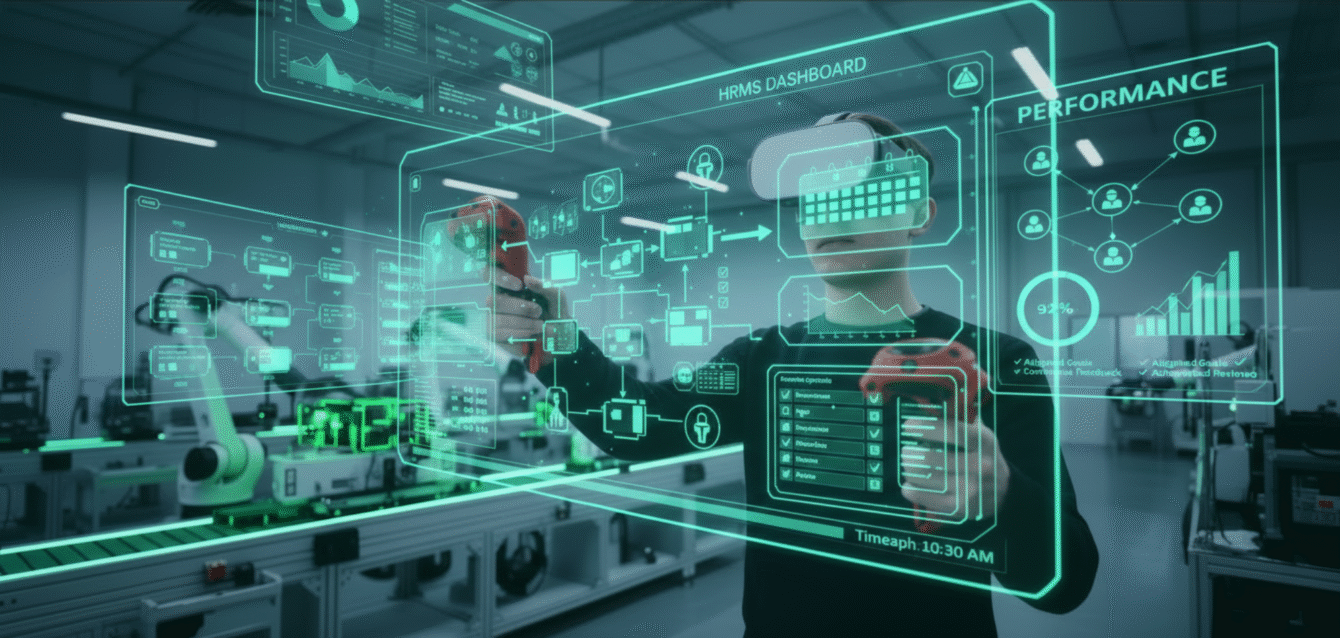
Data fragmentation is a major challenge in traditional HR setups. Without unified systems, it’s difficult to track trends, run analytics, or make strategic decisions. Intelligent HR systems consolidate data across recruitment, payroll, and performance—creating a single source of truth. From dashboards that show real-time headcount and attrition to predictive analytics that flag high-turnover teams or pay disparities, the value of integrated data is immense.
This consolidated view empowers HR leaders to spot bottlenecks, justify budgets, and influence C-suite decisions with confidence. By enabling cross-functional visibility—HR, finance, and business units all working from the same data—the organization becomes more aligned, agile, and proactive in responding to workforce trends.
Reducing Employee Frustration Through Self-Service
A common pain point for employees is the dependency on HR for routine tasks: payslip downloads, leave applications, appraisal status, or policy clarification. Intelligent HR systems offer self-service portals that empower employees to access information, make requests, and track status—all without emailing HR. This not only reduces workload on the HR team but also improves the employee experience by providing transparency and immediacy.
Moreover, intelligent systems ensure that employee self-service doesn’t come at the cost of compliance or accuracy. Every action is logged, approval flows are customizable, and access levels can be tailored by role and department. It’s this balance of freedom and structure that makes self-service both powerful and safe.
Early Wins in Implementation and ROI
Organizations implementing intelligent HR platforms often see tangible benefits within the first 60 days. From faster hiring cycles to reduced payroll errors and improved appraisal completion rates, the ROI becomes visible quickly. Operational efficiency is not the only benefit—employee satisfaction improves when processes are transparent and fair.
Initial adoption gains momentum as teams experience time savings, reduced friction, and easier access to insights. These early wins help drive broader cultural change, paving the way for digital maturity across the HR function. Organizations that track these early indicators are better positioned to refine workflows, scale adoption, and demonstrate ongoing ROI.
The Takeaway
An intelligent HR system doesn’t just automate—it integrates. By connecting recruitment, payroll, and performance in one platform, organizations reduce friction, improve accuracy, and empower both HR teams and employees. In an age where agility and alignment define success, streamlining these core functions is not just a convenience—it’s a strategic advantage.