



In competitive markets where sales teams juggle ever‑higher quotas, complex buyer journeys and tighter margins, manual processes simply won’t cut it anymore. Reps waste valuable time on data entry, chasing approvals, logging follow‑ups and reconciling spreadsheets—tasks that don’t move the needle…

How EMRs Enhance Doctor–Patient Collaboration and Care Quality
In today’s healthcare setting, care is rarely delivered by a single doctor working in isolation—it involves teams, departments, diagnostics, follow‑ups and the patient themselves. Traditional paper‑based systems and disconnected records create barriers: consultations feel fragmented, patients retell histories, specialists wait for…

Digitizing Healthcare: The Benefits of Modern EMR Systems
In today’s healthcare environment, the traditional image of paper charts, manual filing cabinets and physical transfer of records between departments is more than outdated—it’s a barrier to quality care, efficiency and patient engagement. Modern electronic medical record (EMR) systems transform that…
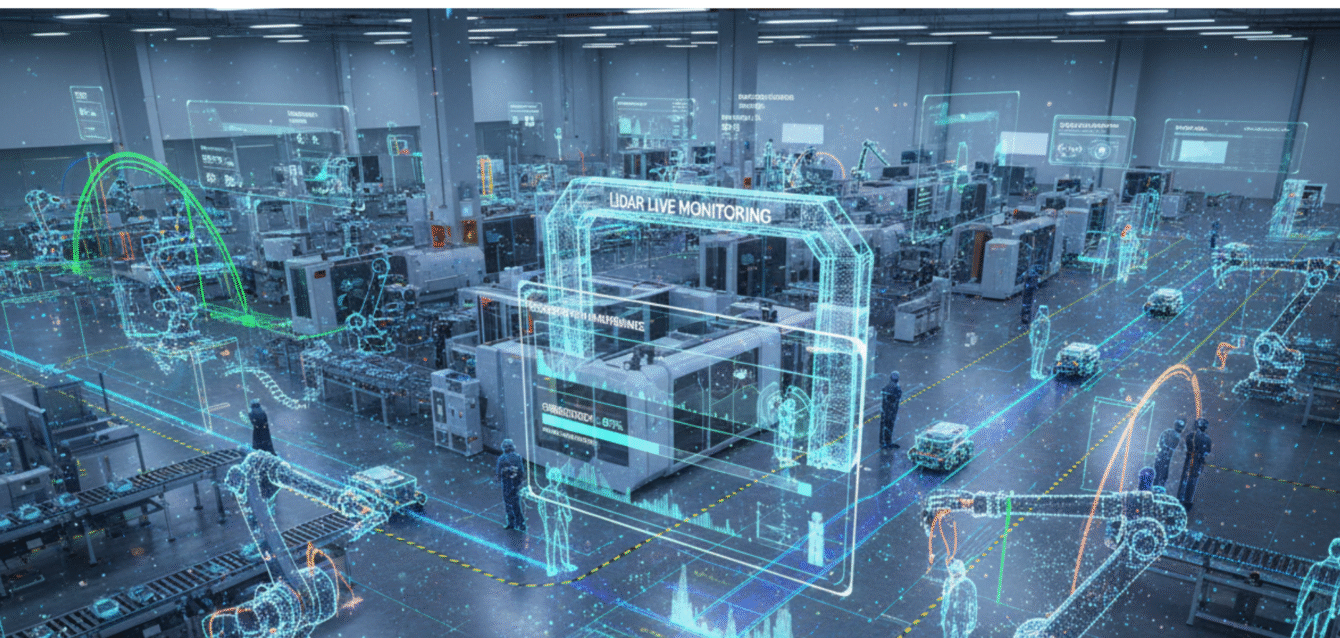
From Mapping to Monitoring: The Role of LiDAR in Industry 4.0
In the era of industrial transformation known as Fourth Industrial Revolution (Industry 4.0), physical assets, production flows and facility spaces are becoming digitised in ways that were previously unimaginable. What once began as discrete mapping efforts—scanning building shells, warehouse layouts or production…
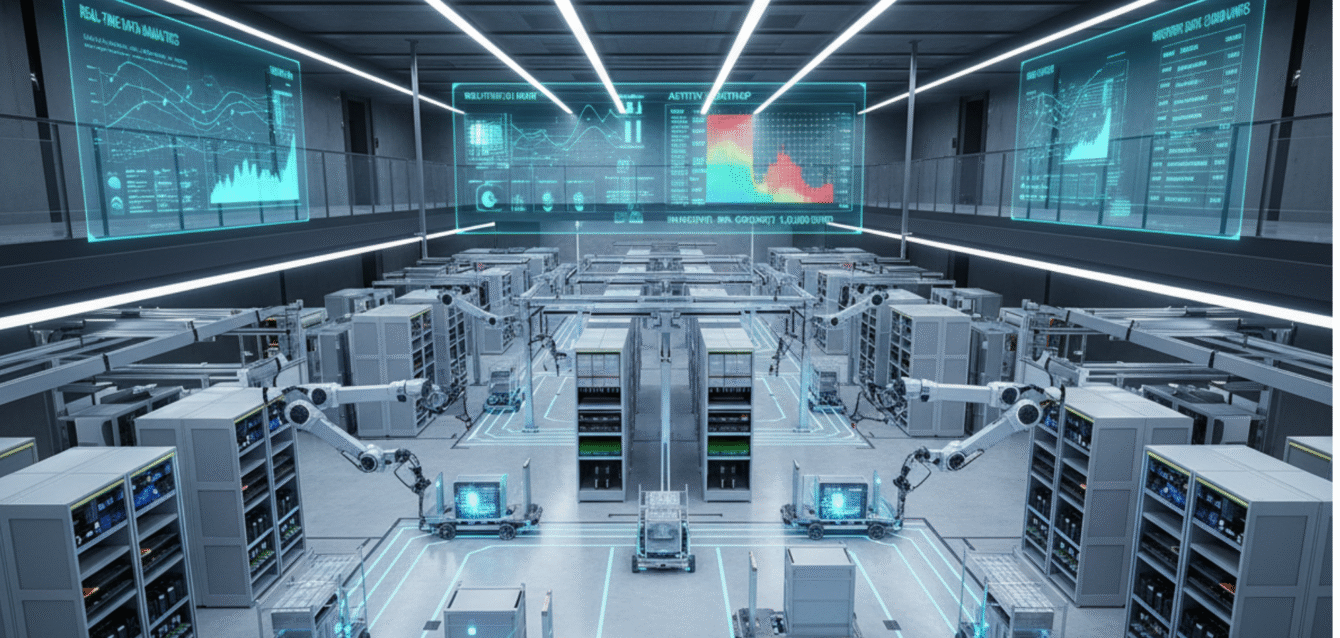
Smart Space Utilization: The Future of Industrial Infrastructure Planning
In large industrial facilities—factories, warehouses, logistics hubs or production campuses—the physical footprint often becomes a silent cost centre rather than a driver of productivity. When space is under‑utilised, layout is inefficient, storage is poorly organised and movement paths are convoluted, the…
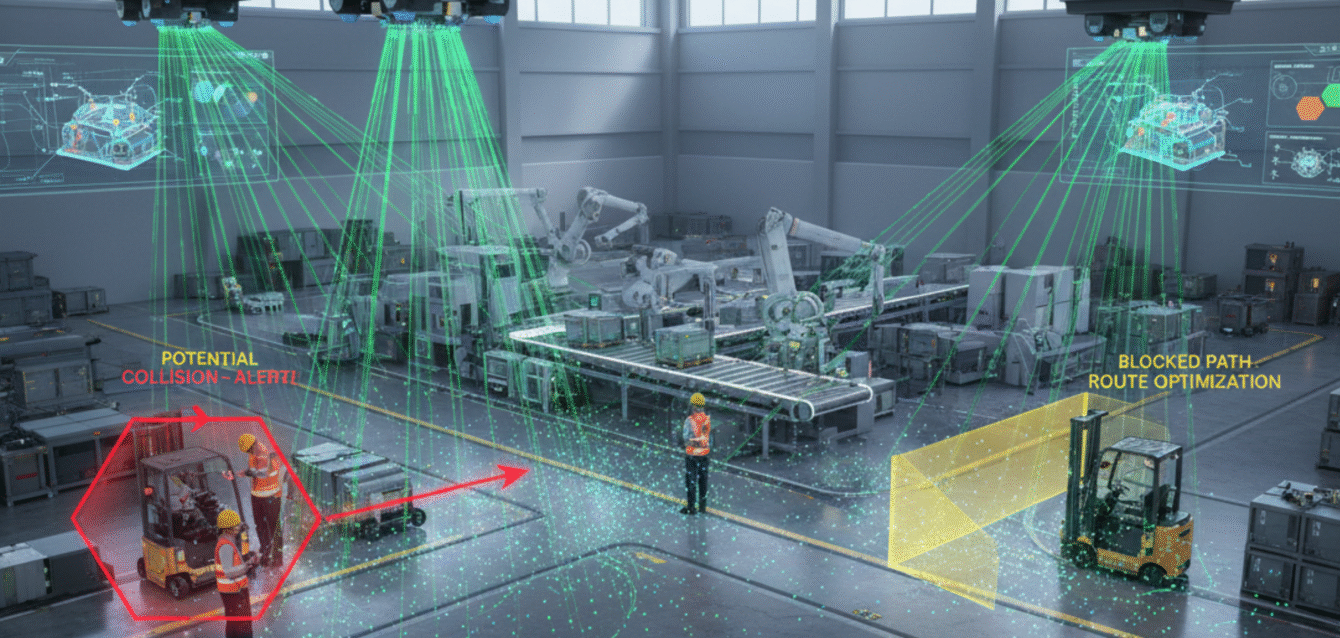
How LiDAR Improves Workplace Safety and Efficiency
In industrial environments—whether factories, warehouses, production floors or logistics hubs—the interplay between safety and efficiency is constant. Workers, machines, vehicles and materials all share the same space and rhythm. Even small blind spots, slow handoffs or hidden bottlenecks can lead to…
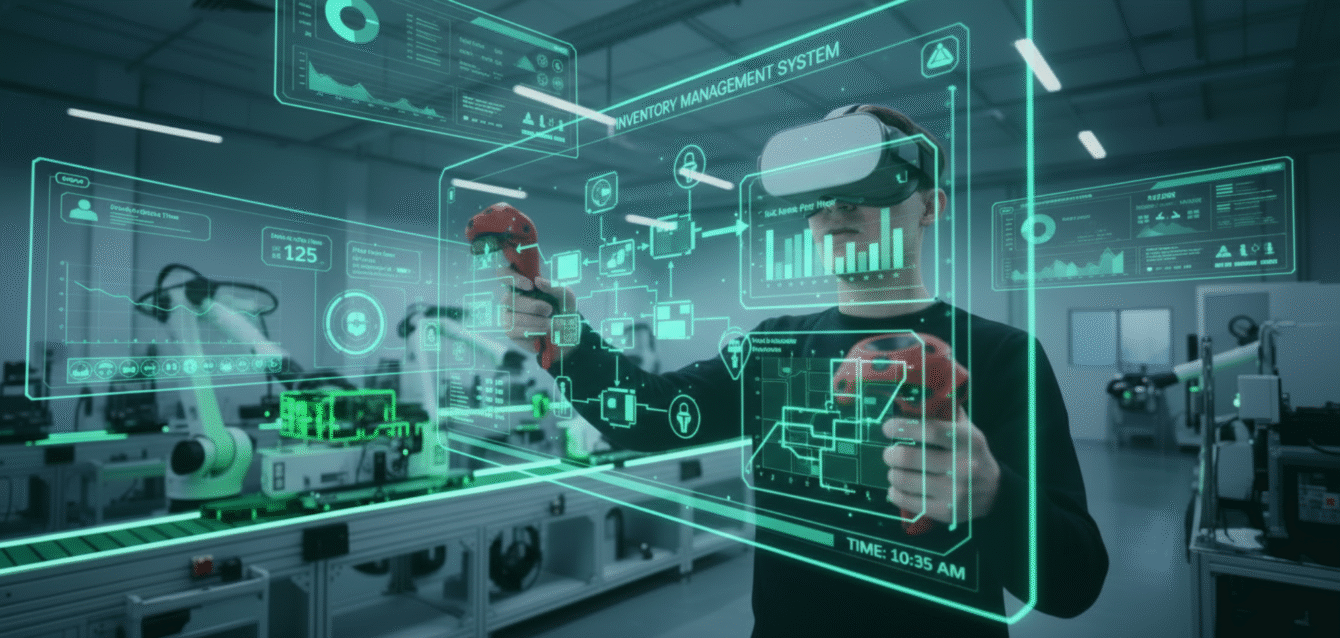
Automation in Warehousing: The Key to Seamless Inventory Flow
In today’s warehousing environment, where customer expectations accelerate and inventory volumes grow in complexity, manual processes simply can’t keep pace. Workflows that rely on manual picking lists, paper check‑ins, long walking routes, and fragmented systems create bottlenecks, errors, delays and hidden…
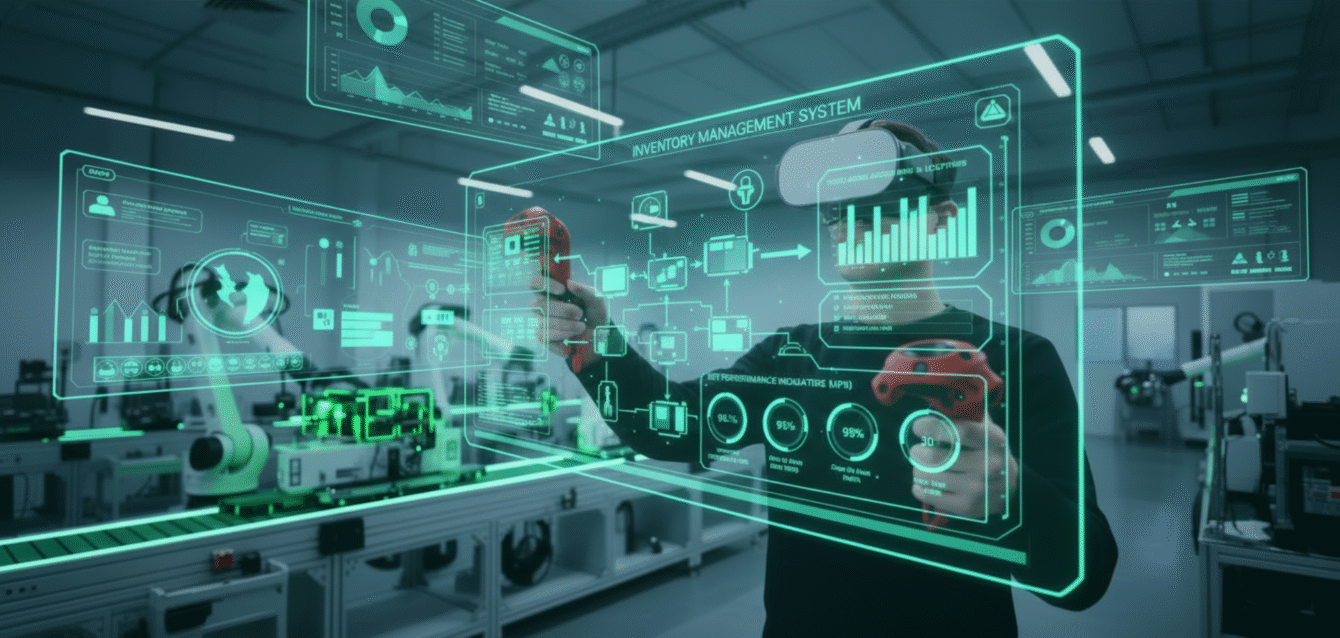
How Smart Inventory Management Minimizes Losses and Maximizes Efficiency
Inventory is the lifeline of any business that deals with physical products. Whether in manufacturing, retail, or distribution, managing stock correctly can make or break operational efficiency. Poor inventory practices not only lead to losses due to miscounts, theft, and expiry…
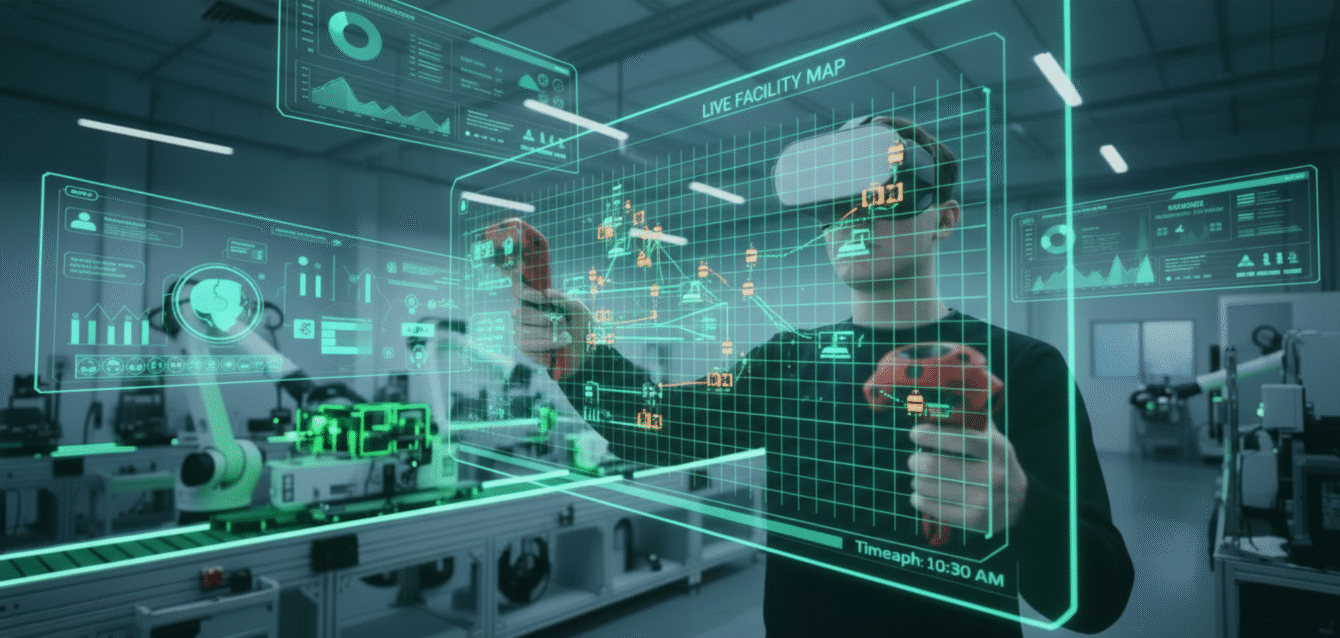
Reimagining Industrial Spaces with LiDAR-Based Spatial Intelligence
In expansive industrial settings—whether manufacturing halls, warehouses, logistics yards or multi‑level production zones—space is both a resource and a constraint. When layout, movement paths, storage zones, equipment placement and safety clearances are all managed with static drawings and manual measurements, inefficiencies…
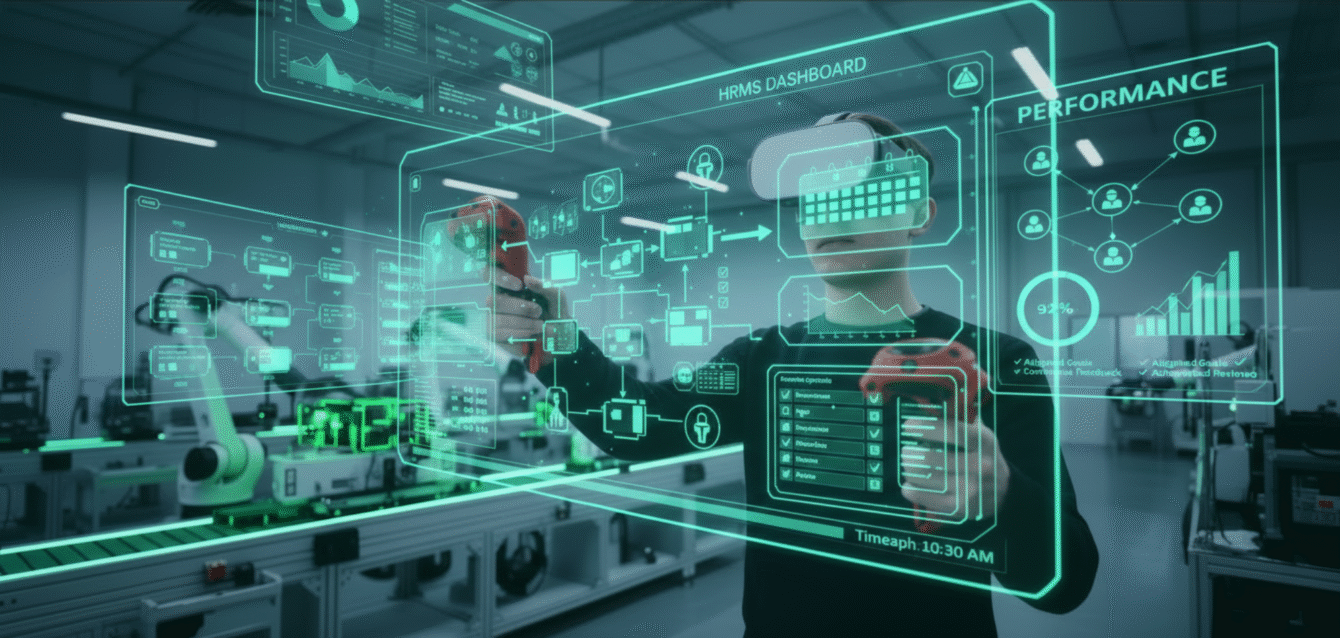
Streamlining Recruitment, Payroll, and Performance with Intelligent HR Systems
Recruitment, payroll, and performance management are at the heart of every organization’s human resource operations. Yet, in many workplaces, these essential functions operate in isolation, relying on disjointed systems and manual interventions that cause delays, errors, and frustration. Hiring a new…